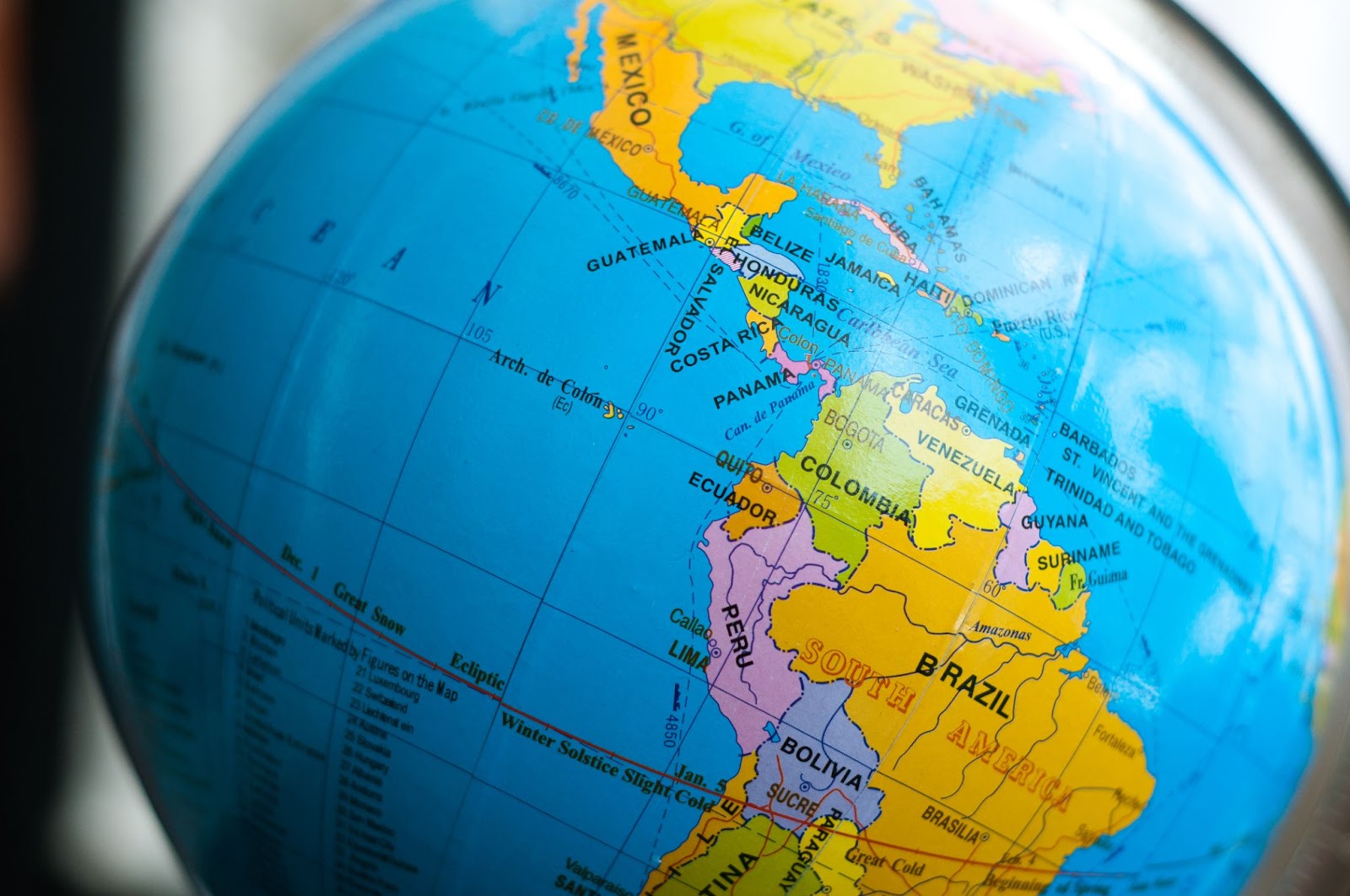
Spanish vs Portuguese is a fascinating comparison that draws interest from language learners, travelers, and businesses alike. Despite having similar Latin roots, both Romance languages have developed unique vocabularies, grammar, and sounds. By being aware of these differences and similarities, you can choose which language to learn or use for professional opportunities, travel, or personal development.
This blog will explore the main similarities and differences between Spanish and Portuguese, focusing on pronunciation, grammar, vocabulary, and cultural context. We'll also discuss how these elements impact practical application and understanding, providing a comprehensive understanding of the differences and similarities between these two languages.
Key Tips Box
| Spanish and Portuguese share Latin roots but differ in pronunciation and some grammar.Spanish has 580M speakers mainly in Latin America; Portuguese has 270M, mostly in Brazil and Portugal.Both have regional variants with unique vocabulary and expressions affecting understanding. |
Spanish and Portuguese both evolved from Vulgar Latin, the everyday Latin spoken during the Roman Empire. After Rome’s fall in 476 AD, Latin gradually changed across regions, leading to early forms of Spanish and Portuguese on the Iberian Peninsula. Influences like the Moorish invasion (711 AD) and the rise of the Kingdoms of Castile and Portugal helped shape these languages into distinct forms by the 12th and 13th centuries.
| Period | Key Event | Impact on Language Development |
| 218 BC – 5th c. AD | The Roman conquest introduced Latin | Latin spreads across Iberia |
| 711 AD | Moorish invasion | Arabic influences enter the languages |
| 12th–13th c. | Kingdoms of Castile and Portugal form | Spanish and Portuguese begin to diverge |
Spanish spread widely due to Spain’s vast colonial empire from the 15th to the 19th centuries, dominating much of Latin America and parts of Asia. Portuguese expanded through Portugal’s maritime empire starting in the 15th century, with Brazil as its largest stronghold and significant presence in Africa and Asia.
| Language | Main Countries | Speakers (Approx.) | Key Regions Outside Europe |
| Spanish | Spain, Mexico, Argentina, Colombia, Peru | 580 million | USA, Philippines, parts of Africa |
| Portuguese | Portugal, Brazil, Angola, Mozambique | 270 million | Africa (Angola, Mozambique), Asia (Macau) |
Colonialism cemented Spanish and Portuguese as dominant languages in their respective regions. This history explains their global reach today, making both essential languages for culture, business, and travel across continents.
| Aspect | Spanish Colonialism | Portuguese Colonialism |
| Timeframe | Late 15th – early 19th century | Early 15th – mid 20th century |
| Territories | Latin America, Caribbean, Philippines | Brazil, parts of Africa, and Asia |
| Language Spread | Official language in the colonies | Official language in the colonies |
Spanish and Portuguese both use the Latin alphabet, making their written forms look familiar to learners. However, each language adds its twist with unique letters and sounds that set them apart.
Spanish features the letter “ñ,” pronounced like “ny” in “canyon.” Portuguese uses “nh” to make a similar sound, and also includes “ç” and nasal vowels marked with tildes (ã, õ).
| Feature | Spanish | Portuguese |
| Base Alphabet | Latin (27 letters, includes “ñ”) | Latin (26 letters, includes “ç”) |
| Unique Letters | ñ (as in niño) | ç (as in coração), ã, õ, â, ê, ô, etc. |
| “ñ” vs “nh” | ñ (España) | nh (Espanha) |
| Sound/Feature | Spanish Example | Portuguese Example | Note |
| Nasal Vowels | None | mãe [mɐ̃j], pão [pãw̃] | Unique to Portuguese, adds a nasal quality |
| “s” at word end | casas [kasas] | casas [kazɐʃ] | “s” sounds like “sh” in Portuguese |
| “j” sound | jugar [xuˈɣar] | jogo [ˈʒoɡu] | “j” is like English “h” in Spanish, “zh” in Portuguese |
| Consistency | High | Lower | Spanish letters usually have one sound; Portuguese letters can change sound depending on context. |
Spanish vs Portuguese grammar is where the similarities and differences start to show. Both languages share a Latin backbone, but each has developed its twists that affect how sentences are built and understood.
| Feature | Spanish Example | Portuguese Example | Note |
| Grammatical Genders | el libro (masc.), la casa (fem.) | o livro (masc.), a casa (fem.) | Both have masculine and feminine nouns; adjectives and articles must agree. |
| “To be” verbs | ser/estar | ser/estar | Both use two verbs for “to be,” with similar rules for permanent vs. temporary states. |
| Word Order | Yo como pan | Eu como pão | Subject-verb-object is standard. |
| Feature | Spanish | Portuguese | Example/Explanation |
| Subject Pronouns | yo (I), tú (you), él (he) | eu (I), tu/você (you), ele (he) | Portuguese uses both “tu” (informal) and “você” (formal), which can confuse learners. |
| Object Pronouns | me, te, lo/la, nos | me, te, o/a, nos | Placement differs: Spanish usually puts them before the verb, Portuguese after in affirmatives. |
| Adjectives/Adverbs | muy (very), mucho (a lot) | muito (very/a lot) | Portuguese uses “muito” for both meanings, while Spanish splits them. |
| Definite Articles | el, la, los, las | o, a, os, as | Portuguese uses articles more often, even before country names (“o Brasil”). |
| Verb Conjugation | Regular and irregular verbs | More irregular verbs, unique tenses | Portuguese has the future subjunctive and personal infinitive, which Spanish lacks. |
| Vowel System | 5 vowels: a, e, i, o, u | 9 oral vowels, 5 nasal vowels | Portuguese’s nasal vowels (ã, õ, etc.) add complexity and affect pronunciation. |
Pronouns
Adjectives/Adverbs
Vowel System
Spanish vs Portuguese vocabulary is famously similar—about 90% of words are cognates, meaning they look and sound alike, thanks to their shared Latin roots. This high lexical overlap makes reading and recognizing words in the other language much easier for speakers of either language.
Here are some words that look and mean the same in both languages. These similarities make it easy to build vocabulary quickly and spot familiar words when reading or listening.
| Spanish | Portuguese | English |
| casa | casa | house |
| día | dia | day |
| sol | sol | sun |
| agua | água | water |
| nariz | nariz | nose |
| tarde | tarde | afternoon |
| comer | comer | to eat |
| guía | guia | guide |
| recordar | recordar | to remember |
| mucho | muito | much/many |
However, some words look or sound similar but have different meanings—these are called “false friends.”
| Spanish | Portuguese | Actual Meaning (Spanish) | Actual Meaning (Portuguese) |
| embarazada | embaraçada | pregnant | embarrassed |
| oficina | oficina | office | workshop |
| sopa | sopa | soup | broth/soup |
| ropa | roupa | clothes | clothes |
| polvo | polvo | dust | octopus |
| vaso | vaso | glass (for drinking) | vase |
| rato | rato | while | mouse |
| largo | largo | long | wide |
| asistir | assistir | to attend | to assist/help |
| carpeta | carpeta | folder | carpet |

Spanish vs Portuguese isn’t just about grammar and vocabulary—regional and cultural differences shape how each language is spoken and understood around the world.
Portuguese splits into two major variants: Brazilian Portuguese and European Portuguese. While they share a foundation, centuries of separate development have created clear distinctions. Brazilian Portuguese is known for its relaxed, melodic tone and openness to new words, while European Portuguese is more reserved and traditional, with stricter grammar and a more formal feel.
| Aspect | Brazilian Portuguese | European Portuguese |
| Pronunciation | Open vowels, every syllable pronounced, musical flow | Closed vowels, some syllables dropped, more “muffled” sound. |
| Vocabulary | “ônibus” (bus), “trem” (train), “suco” (juice) | “autocarro” (bus), “comboio” (train), “sumo” (juice). |
| Formality | More informal, “você” used for most situations | More formal, “tu” (informal) and “você” (formal) are distinct. |
| Grammar | Gerunds common (“estou comendo”) | Uses preposition + infinitive (“estou a comer”). |
| Cultural Influence | African, Indigenous, immigrant languages | Arabic, French, Spanish influences. |
Spanish also has important regional differences. European Spanish (Castilian) and Latin American Spanish differ in pronunciation, vocabulary, and even verb forms.
| Feature | European Spanish (Spain) | Latin American Spanish |
| ‘z’ and ‘c’ before ‘e/i’ | Pronounced as /θ/ (“th” in “think”)—ceceo | Pronounced as /s/—seseo |
| ‘ll’ and ‘y’ | ‘ll’ as /ʎ/ (like “li” in “million”), ‘y’ as /j/ | Both as /j/ (like English “y”)—yeísmo |
| Consonant endings | Stronger, clearer consonant sounds | Softer or dropped, especially final ‘s’ |
Many everyday words differ between the two regions, often reflecting local influences and history:
| English | European Spanish (Spain) | Latin American Spanish |
| Car | coche | carro |
| Computer | Ordenador | Computador |
| Mobile Phone | Móvil | Celular |
| Juice | Zumo | Jugo |
| Pen | Bolígrafo | Esfero/Lapicero |
| Money | Dinero | Plata |
| Feature | European Spanish (Spain) | Latin American Spanish |
| Second-person plural | Uses “vosotros” (informal “you all”) | Uses “ustedes” for both formal/informal |
| Voseo | Not used | Common in Argentina, Uruguay, parts of Central America (“vos” instead of “tú”) |
| Past tense | Prefers present perfect for recent actions (“he comido”) | Prefers simple past (“comí”) |
Spanish and Portuguese share a rich history and many similarities—from their Latin roots and grammatical structures to overlapping vocabulary—that make learning either language rewarding. However, key differences in pronunciation, regional variations, and cultural expressions set them apart, shaping unique identities and communication styles across continents.
When choosing which language to learn or use for business, consider your goals: Spanish opens doors across most of Latin America and the US, while Portuguese connects you to Brazil’s booming economy and diverse Lusophone countries. Exploring both languages can broaden your cultural horizons and professional opportunities, giving you a valuable edge in today’s globalized world.